

 Start Live Chat


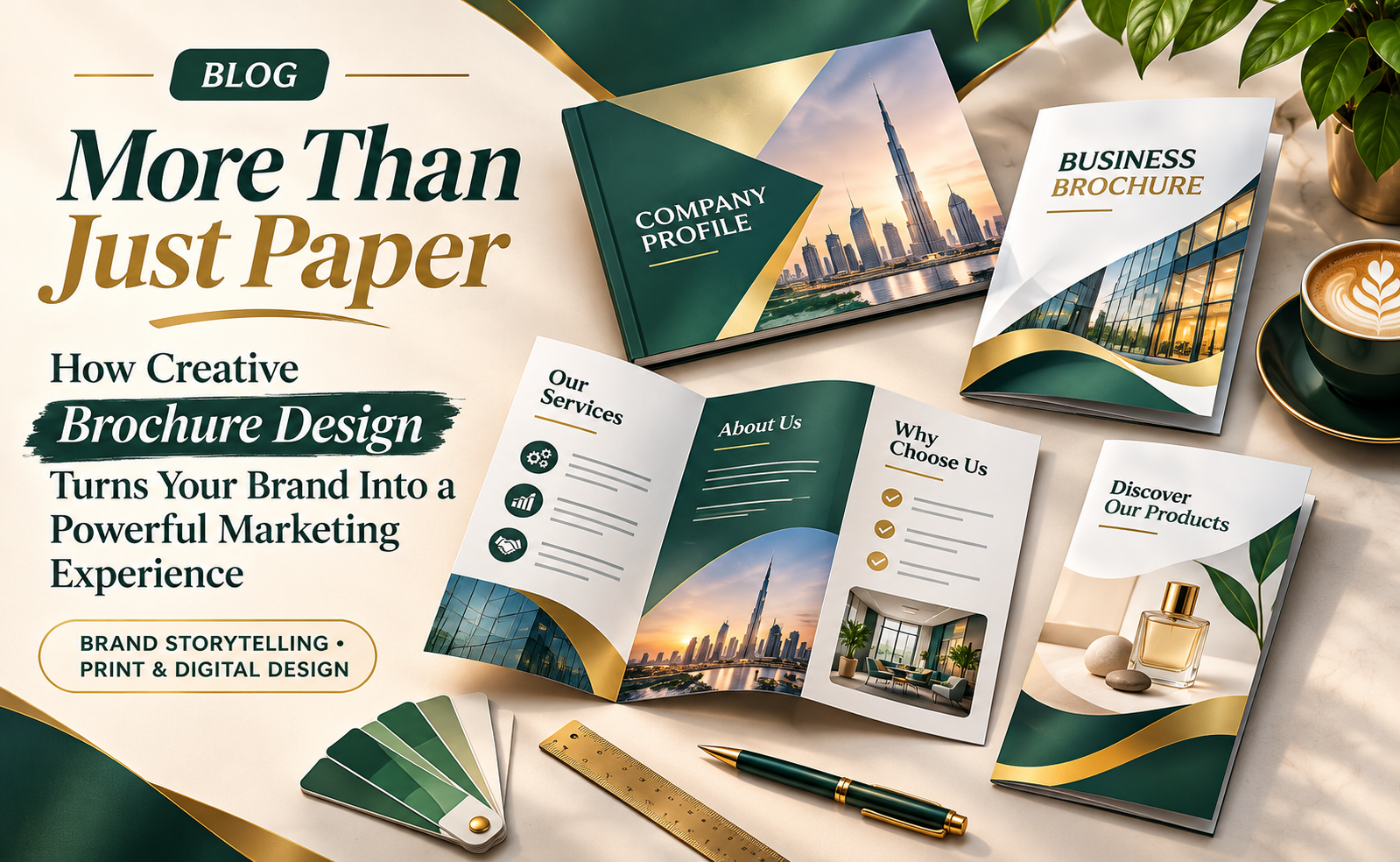
In a world filled with digital advertisements, endless notifications, and constantly changing online trends, getting someone to pause and pay attention to your business is no easy task. Brands are competing not only for visibility but also for trust, recognition, and meaningful customer relationships. This is where a thoughtfully designed brochure can make a surprising difference. Unlike an advertisement that disappears after a few seconds, a brochure gives people something they can hold, explore, revisit, and remember.
A brochure is much more than a collection of pictures and business information. It is a carefully arranged presentation of your brand’s personality, values, products, and services. From the first glance at its cover to the final contact details, every design decision contributes to the impression your business leaves behind. With professional brochure design services, companies can transform ordinary marketing materials into memorable brand experiences that communicate their message with clarity and creativity.
A Brochure Is Your Brand’s Story in Someone’s Hands
Imagine meeting a potential client at a business event. You introduce your company, explain what you do, and hand over a brochure. After the conversation ends, that printed material becomes a reminder of your business. It allows the person to explore your services later, share the information with colleagues, and revisit the details whenever needed.
That is the real value of a well-designed brochure. It continues communicating even when you are not in the room.
A strong brochure should tell a story rather than simply display information. Its cover creates curiosity, the opening section introduces the brand, and the following pages guide readers through the most important details. The design should feel natural, with each section connecting to the next. When information is presented in a logical and visually appealing way, readers can understand what makes a business different without feeling overwhelmed.
For this reason, professional brochure design begins with understanding the company’s identity and communication goals, not simply choosing colors and arranging photographs.
First Impressions Begin Before Customers Read a Single Word
People often form an initial opinion about a brand based on its visual presentation. A poorly organized brochure, inconsistent typography, low-quality images, or overcrowded pages can make even an established business appear less professional.
On the other hand, a carefully developed layout communicates attention to detail and creates a sense of credibility. The choice of colors, spacing, typography, imagery, and page structure all influence how readers experience the material.
For example, a luxury property developer may prefer an elegant layout with sophisticated typography and large architectural photographs. A children’s education brand might use brighter colors, friendly illustrations, and approachable visual elements. A corporate consultancy may benefit from a minimal design that prioritizes clarity and professionalism.
There is no universal brochure style that works for every company. The strongest design is the one that reflects the brand accurately while appealing to the people it wants to reach.
Choosing the Right Brochure Format for Your Message
The physical structure of a brochure can influence how information is presented and how readers interact with it. Selecting the right format is therefore an important part of the creative process.
A single-sided leaflet works well when a business needs a direct promotional message, such as announcing a special offer, introducing a service, or advertising an upcoming event. Double-sided leaflets provide additional space for information while keeping the material compact and easy to distribute.
A bi-fold brochure creates four panels that can organize a company introduction, service details, visuals, and contact information in a straightforward sequence. A tri-fold brochure offers six panels, making it suitable for businesses that want to divide their message into smaller, connected sections.
For more detailed presentations, multi-page brochures provide room for product collections, company information, project portfolios, and service explanations. The best format depends on the amount of content, intended audience, distribution method, and purpose of the project.
The goal should never be to include as many pages as possible. It should be to give readers exactly the information they need in a format that feels comfortable and easy to navigate.
The Psychology Behind Colors, Images, and Typography
Good brochure design is not simply about making something attractive. It is also about influencing how people perceive and understand information.
Colors can establish a particular mood and reinforce brand recognition. Typography affects readability and helps create a visual hierarchy between headlines, descriptions, and supporting information. Images provide context, make products more appealing, and help readers connect with the message.
Consider a travel company promoting luxury holiday packages. Beautiful destination photography can immediately create excitement and encourage readers to imagine themselves experiencing those locations. A manufacturing company, however, may benefit more from detailed product photographs, technical diagrams, and clean informational layouts.
Visual balance is equally important. When every section competes for attention, readers may struggle to identify the most important message. Strategic use of white space, headings, image placement, and contrasting elements helps guide the eye through the brochure.
Every visual choice should have a purpose. When design and communication work together, the brochure becomes easier to understand and more effective as a marketing tool.
Print and Digital Brochures: Two Formats, Different Opportunities
Modern businesses do not have to choose between printed and digital marketing materials. Both brochure formats offer distinct advantages, and many companies benefit from using them together.
Printed brochures provide a physical experience that can be valuable during exhibitions, conferences, client meetings, retail visits, and promotional events. Their tangible nature makes them convenient to distribute and gives potential customers something they can keep.
Digital brochures, meanwhile, can be shared through websites, email campaigns, messaging platforms, and social media. They allow businesses to reach audiences without depending on physical distribution and can be designed for comfortable viewing across desktop and mobile devices.
The design requirements for each format are not always identical. A printed brochure must consider page dimensions, image resolution, color reproduction, margins, and print preparation. A digital brochure needs to remain readable on different screen sizes and may benefit from interactive elements or clickable contact information.
Creating designs with the intended format in mind helps maintain quality and ensures that the finished material works effectively wherever it is used.
Why Generic Templates Rarely Give Your Brand a Competitive Edge
Ready-made brochure templates can be convenient, but they often come with limitations. When different companies use similar layouts, stock visuals, and predictable design structures, their marketing materials can begin to look almost identical.
This makes it harder for a brand to establish a distinctive identity.
Custom brochure design takes a different approach. Instead of forcing a business into an existing template, the creative direction is developed around its products, audience, personality, and objectives. The layout, imagery, typography, and content structure are selected to reflect what makes that particular company worth remembering.
A restaurant, a real estate agency, a technology startup, and a professional consultancy should not communicate in exactly the same visual language. Their audiences have different expectations, and their brochures should reflect those differences.
Originality does not mean adding unnecessary decoration. It means making deliberate creative decisions that help the business communicate more effectively and stand apart from competitors.
The Role of Content in Creating a Persuasive Brochure
Even an impressive design can lose its impact when the written content is confusing or poorly organized. Readers should not have to search through lengthy paragraphs to discover what a business offers or why it matters.
Effective brochure copy focuses on clarity, relevance, and customer needs. Rather than describing a company only through its achievements, it should explain how its products or services provide value to potential customers.
Headlines should introduce ideas quickly, supporting descriptions should communicate useful details, and calls to action should make the next step clear. Product information, service explanations, company introductions, and contact details should all have their appropriate place.
The language should also match the brand’s personality. A corporate brochure may require a more formal tone, while a creative business can communicate in a warmer and more conversational style.
When professional copywriting and thoughtful graphic design come together, the brochure becomes a much stronger communication tool.
What Makes the Brochure Design Process Successful?
A successful brochure project starts with a clear creative brief. Designers need to understand the company’s industry, target audience, brand guidelines, preferred style, and the purpose of the material. This information provides direction before any layouts are developed.
Research and concept development help establish the visual approach. The initial design then brings together typography, colors, images, and content placement to create a complete presentation. Client feedback is an important part of the process because it helps refine the design and ensure that the final result reflects the intended vision.
Final preparation also matters. Printed materials need appropriate print-ready files, while digital brochures should be exported in formats suitable for online distribution. Attention to these technical details helps prevent unnecessary problems when the brochure is ready to be used.
A structured process makes collaboration easier and helps ensure that the finished design is both visually appealing and practical.
Bring Your Brand’s Message to Life with Logo Designs AE
Every business has a story worth communicating, but presenting that story in a way that captures attention requires the right combination of creativity, organization, and visual direction.
Logo Designs AE provides customized brochure design solutions for businesses looking to present their products, services, and company identity professionally. From single-sided and double-sided leaflets to four-page and tri-fold brochures, the available design options can accommodate different promotional requirements.
The creative process considers the business’s objectives, preferred visual style, content, imagery, and intended audience. Graphic design and copywriting help bring the message together, while digital and print-focused considerations ensure the final brochure is suitable for its intended use.
Whether you are preparing for a product launch, promoting a new service, attending an exhibition, or introducing your company to potential clients, a professionally designed brochure can help present your brand with greater confidence.
Give People Something Worth Remembering
Your brand deserves more than a generic layout and a collection of stock images. It deserves marketing material that reflects its identity, communicates its value, and gives potential customers a reason to learn more.
A thoughtfully designed brochure combines storytelling, visual communication, and useful information into one cohesive experience. It can support face-to-face conversations, strengthen promotional campaigns, and keep your business visible long after an initial introduction.
If you are ready to present your business in a more distinctive and professional way, explore Logo Designs AE. Turn your ideas into a creative marketing piece that represents your brand and leaves a lasting impression.